
Understanding Oil and Gas Ownership
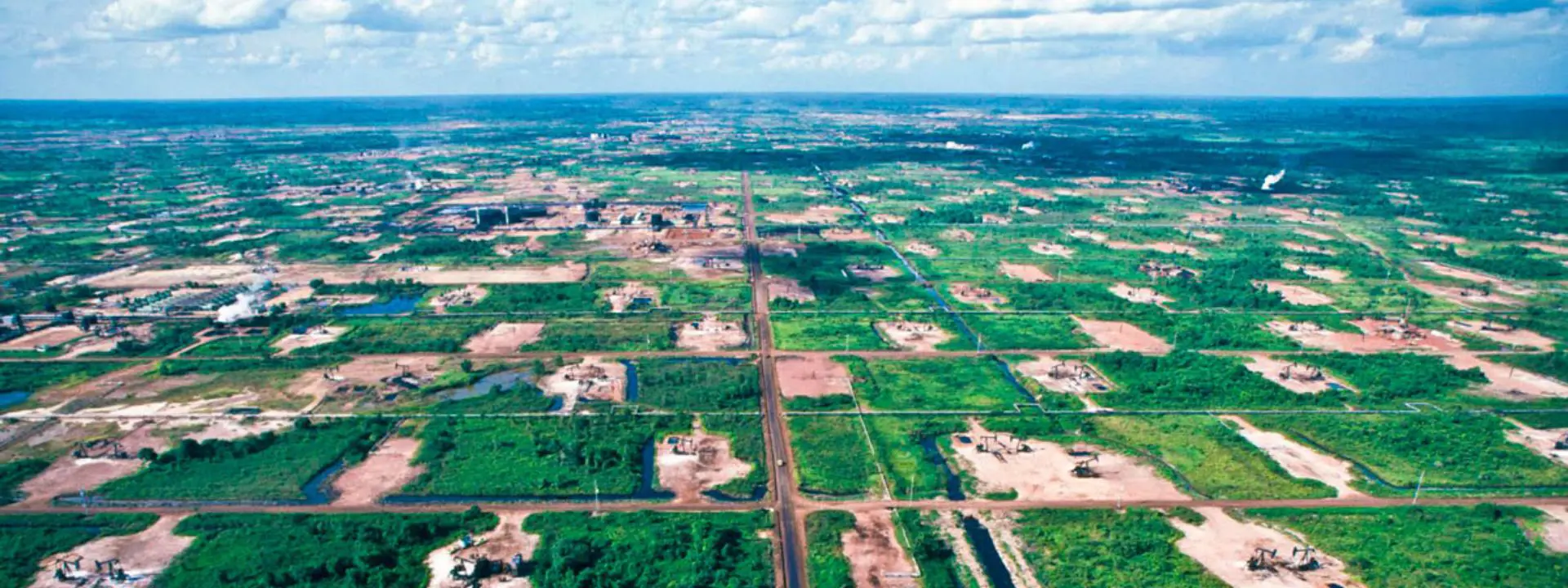
Oil and gas ownership refers to the legal right to explore for, produce, and profit from oil and natural gas beneath the surface of the land. In many parts of the United States, surface ownership and mineral ownership are separate. This means you can own the land but not the minerals below it—or own the minerals without owning the land on top.
Mineral ownership typically includes:
- The right to lease the minerals
- The right to receive lease bonuses
- The right to receive royalty payments from production
- The right to access information about development
- The right to sell your mineral rights
- The right to leave your ownership to heirs or deed to others
Mineral Rights vs. Surface Rights
One of the most important concepts in oil and gas ownership is the distinction between surface rights and mineral rights. Surface rights involve the use of the land for things like farming, building, or recreation. Mineral rights involve oil, gas, and other minerals beneath the surface. In most states, mineral rights are considered the “dominant estate,” meaning the mineral owner (or their lessee) may have the legal right to use the surface as reasonably necessary to develop the minerals—even if they don’t own the surface.
Oil and gas ownership is frequently divided among multiple owners, especially after generations of inheritance. It’s common for a single tract of minerals to be owned by dozens—or even hundreds—of people, each holding a small fractional interest.
Leasing Oil and Gas Rights
Most mineral owners do not drill well or extract oil and gas themselves. Instead, they lease their mineral rights to an oil and gas company, often referred to as an Operator. A typical oil and gas lease includes:
Bonus payment: An upfront payment made when the lease is signed.
Royalty interest: A percentage of production revenue paid to the mineral owner once the oil and gas is extracted, refined and sold.
Primary term: The initial lease period during which drilling must begin.
Secondary term: The lease continues as long as production exists.
Number of acres: There are gross acres and net mineral acres, both represent the quantity that you own in the specific location within the lease.
Lease terms can vary widely, and differences in language can have financial outcomes. Many mineral owners may consult an attorney or mineral advisor before signing. Other owners may feel comfortable reading these documents and making these decisions on their own.
Royalty Interests
A royalty interest, or lease rate, is the portion of production revenue paid to the mineral owner, free of drilling and operating costs (though some post-production costs may apply depending on lease language). Royalties are typically expressed as a fraction or percentage, such as 1/8 (12.5%), 3/16 (18.75%), or 1/5 (20%).
Royalty income depends on several factors, including:
Production volume
Commodity prices
Lease terms
Well performance over time
Fractional Ownership and Inheritance
More Articles

Inherited Mineral Rights and Probate: What Happens to Oil and Gas Mineral Rights After Someone Passes Away?
Please note the following does not constitute legal advice for inheriting mineral rights and probate. This article is for general information purposes only. Please contact.
Read More >>
Understanding How Mineral Rights Are Priced
Oil and gas mineral rights can be one of the most valuable, yet misunderstood, assets a landowner owns. Whether you inherited minerals, received a lease.
Read More >>